Box Hedge Aphids
If there are many lady beetles or lacewings also on the boxwood. As the buds develop in the spring the eggs hatch and nymphs emerge to infest the leaves.
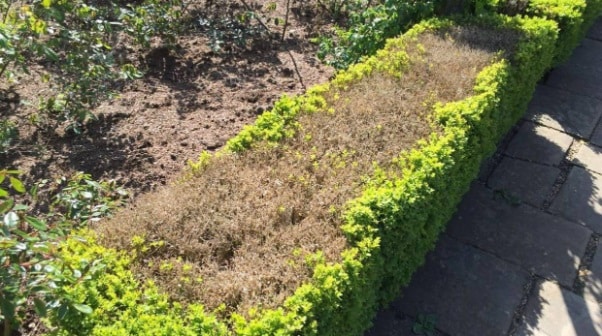
Dealing With Box Blight Box Hedge Blight Hopes Grove Nurseries
The blackish-brown shells or scales are shaped like mussels up to 3mm in length and are attached mainly to the bark but sometimes they spread to the foliage.
Box hedge aphids. These small nymphs feed on the sap of young leaves stunting their growth and causing them to curve inwards like tiny cabbage leaves. The young woolly aphids are green or blue in color. However if you do have problems with your Box hedging plants it will probably be down to one of the following three ailments.
This insect can overwinter as an egg or as a first-instar nymph under the bud scales. This can sometimes eventually kill the plant especially young ones. Psyllids may affect the looks of the plant but unlike leaf miners they are seldom a threat to the overall health of the shrub.
There are several species of sucker or psyllid that can be encountered by gardeners they are sap sucking true bugs. If box hedge foliage is going a bronze colour or yellow orange we advise to check soil for too much water. My copper plant seems to attract the wooly aphids from time to time.
The problem can be avoided by ensuring the soil has plenty of organic matter incorporated prior to planting and is able to drain adequately. Signs of aphids include curling or yellowed leaves sticky black honeydew on the bark. Box sucker feeds at the shoot tips of box plants in spring damage is usually minor and can be tolerated.
Both European and American boxwoods are susceptible to boxwood mites. Damage is especially noticeable on American box. Fill a large pump spray bottle with the neem oil liquid.
Dolomite Lime can also be used at least twice a year again a generous handful to each trunk. The disease is caused by two genetic types of fungi Cylindrocladium buxicola and Volutella buxi that attack the leaves and stems of the plant. How to Kill Aphids on Aureo Variegated Boxwood 1.
And this works for it. Look for signs the aphids are already in decline. Boxwood Mite Eurytetranychus buxi.
These boxwood shrub pests feed on the underside of the leaves leaving them stippled with tiny white or yellow spots. Scale mealy bug and aphids are among the most problematic of garden pests. Psylla buxi is an aphid that lays its eggs in the box in late summer.
These over-winter and the nymphs hatch in early spring and feed off the juicy new growth. Life Cycle of Boxwood Spider Mites Boxwood spider mites overwinter as eggs and hatch and become active in April to early May. Adults are approximately 2 mm in length and are pinkish brown in color.
Large aphid infestations can weaken plants and cause curling or distortion of affected growth. Long release fertilisers such as Osmocote can be used however only a small amount should be applied at a maximum of twice a year. Mussel scale Lepidosaphes ulmi is a sap-sucking insect that is found on a range of woody plants including box apple hawthorn ceanothus cornus and cotoneaster.
Sign In or Register to comment. The adult is green to yellowish-brown in color has eight legs and is tiny about 1 64-inch long. Since mites are so small and early symptoms are not distinctive it is easy to overlook the problem until a heavy infestation occurs and greater damage has occurred.
Boxwood psyllids are small insects that cause new leaves to cup as the nymphs extract sap from the tender foliage. Box blight is a disease which affects Boxwood Buxus sempervirens and its family of plants. Check for aphids twice a week.
Liberally spray plant foliage weekly to get rid of whitefly caterpillars aphids or other garden pests. Theyre only a problem if they occur in large numbers. Add some liquid soap to help the oil and water emulsify.
Eurytetranychus buxi is a spider mite the boxwood mite to be exact. It is probably caused by box aphid I get it on my box hedge I do not treat it as it does not seem to cause any long term damage. Use the ratio of 2 teaspoons neem oil for every quart liter of water.
A woolly aphid or Erisoma lanigerum is a type of sucking insect that lives on the fluid of plants and trees. Box can suffer from a number of other problems. PESTS Box suckers - psylla buxi.
The white stuff is their pooh. Aphids are a natural part of the garden ecosystem and a vital source of food for many species of bird including house sparrows. They are tiny spider-like creatures who cause damage when they suck the sap from the leaves of the plant.
GaMadGardener Leesburg GA Zone 8a Jun 01 2013 never heard boxwood psyllid before but looked them up its possible. English box and conifers will be highly susceptible to poor drainage as will westringias if planted in depressions. The boxwood psyllid Psylla buxi causes cupping of the leaves on the terminal and lateral branches of boxwood.
The boxwood mite or boxwood spidermite is not an insect but is more closely related to spiders. Each adult woolly aphid can produce up to five young per day.

Hedge Pests And Diseases
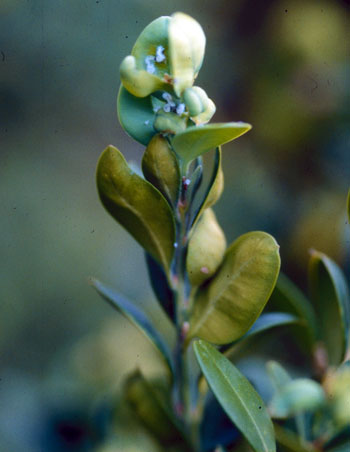
Boxwood Insect Pests Msu Extension
Box Hedging For A Fresh New Driveway Wendy S Grand Gardens


Aphids Mealybugs And Scales Agriculture And Food

Box Hedge Woolly Aphids Mumsnet

Alternatives To Box Hedge Plants Nepal
Box Sucker Rhs Gardening
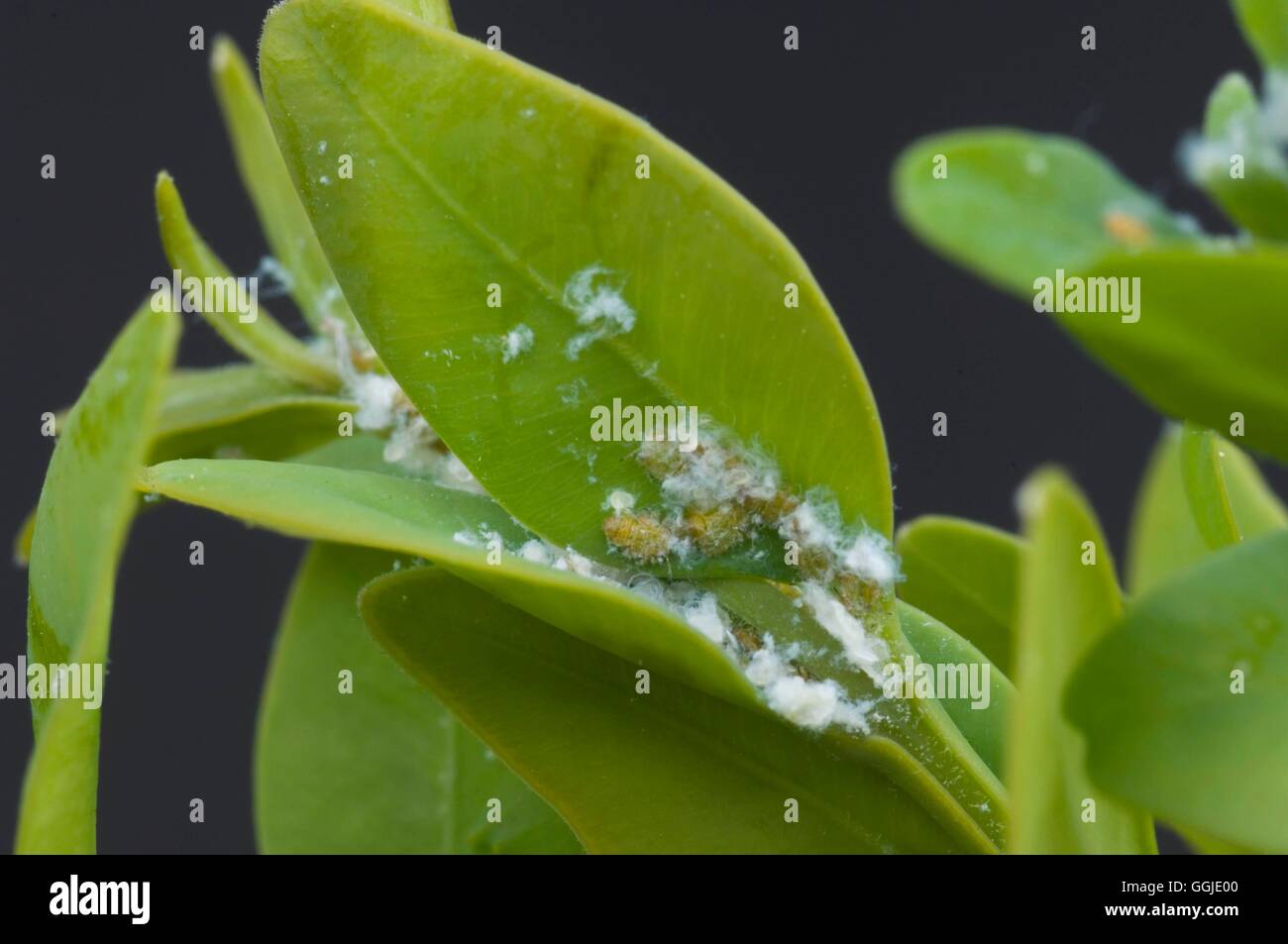
Aphid Wooly Eriosoma Lanigerum On Box Buxus Miw251087 Photosho Stock Photo Alamy

Box Hedge Woolly Aphids Mumsnet

Box Sucker Which Gardening Helpdesk
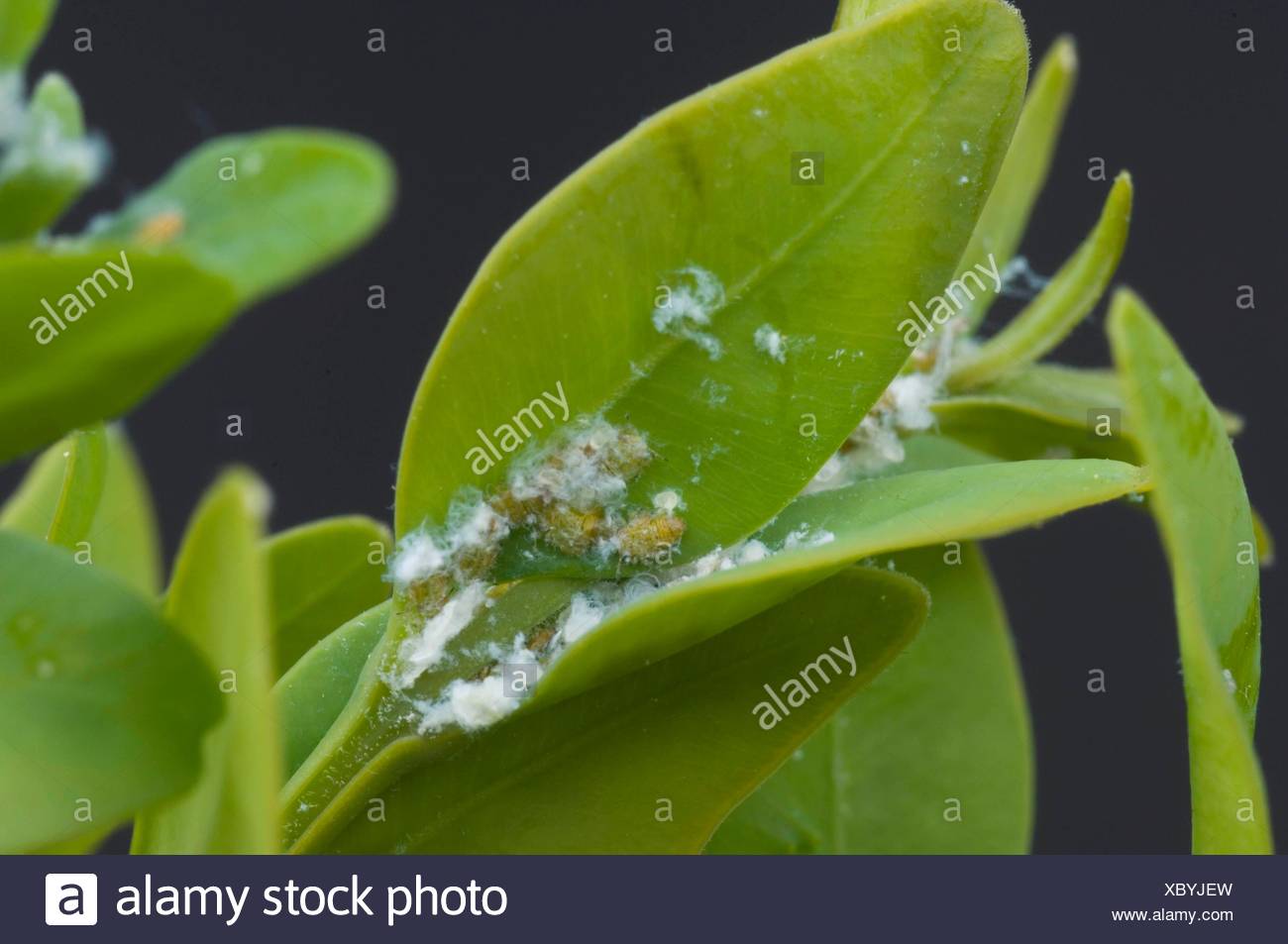
Wooly Aphid High Resolution Stock Photography And Images Alamy

Tiny White Eggs On Box Hedge Bbc Gardeners World Magazine

Box Sucker Which Gardening Helpdesk

Identifying Common Boxwood Pests Tips For Treating Bugs On Boxwoods
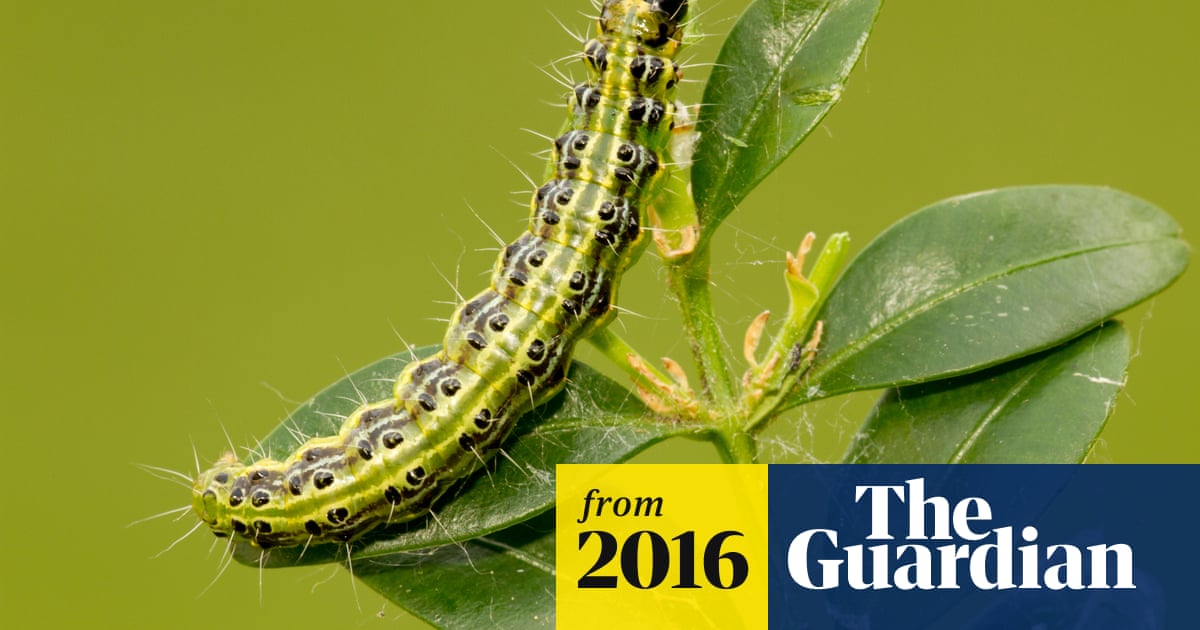
Invasive Hedge Eating Caterpillar Tops Uk Garden Pest Poll Invasive Species The Guardian
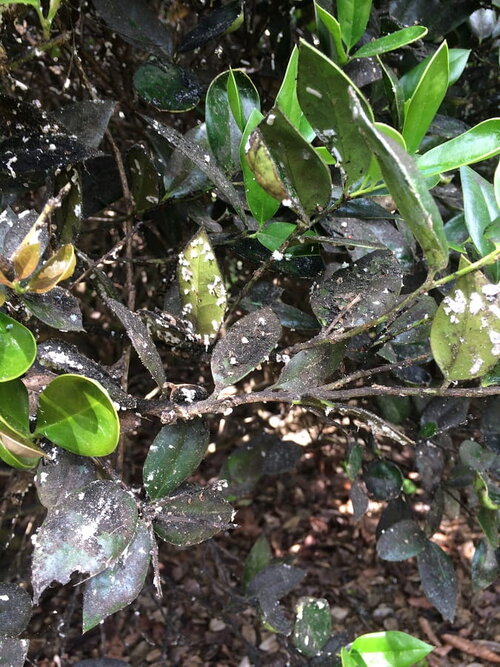
How To Control And Remove Sooty Mold Nature S Select

Planting Buxus Tips For Growing Box Hedges Plants Nepal

How To Get Rid Of Aphids Kings Plant Doctor

Boxwood Mite Damage Treatment For Boxwood Bud Mites

Post a Comment for "Box Hedge Aphids"